Home Prices in 2020 - Boom or Bust? Why Suzi Orman is Wrong
Many media pundits, including Suzi Orman, are creating fear and doubt by "predicting" home prices are going to plummet later this year by comparing this market economy to the Real Estate bust of 2007. Fortunately, that's just not true. Are prices going to dip, maybe, but they're not going to Bust. Here's why.
1. Demand is Very High.
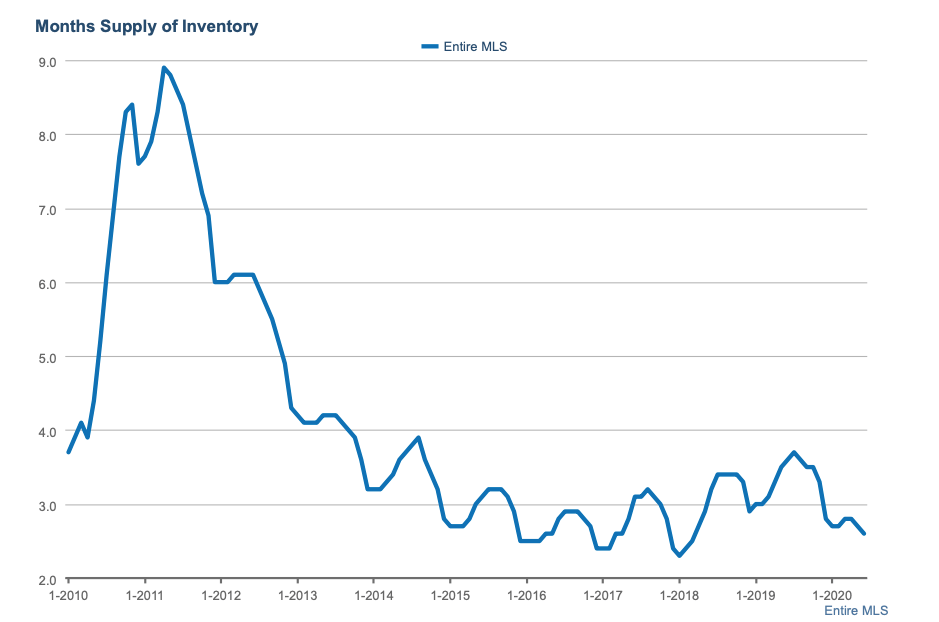
Quite simply, there are more home buyers today than there are sellers. How can we tell? Inventory levels are near their 10 year low in DFW. In June 2020, there was just 2.6 months of inventory. At 6 months, there are roughly as many buyers as sellers, meaning the market is balanced. At 2.6 months, lower than any time during 2019, sellers have the advantage in the market and home prices will hold or increase.
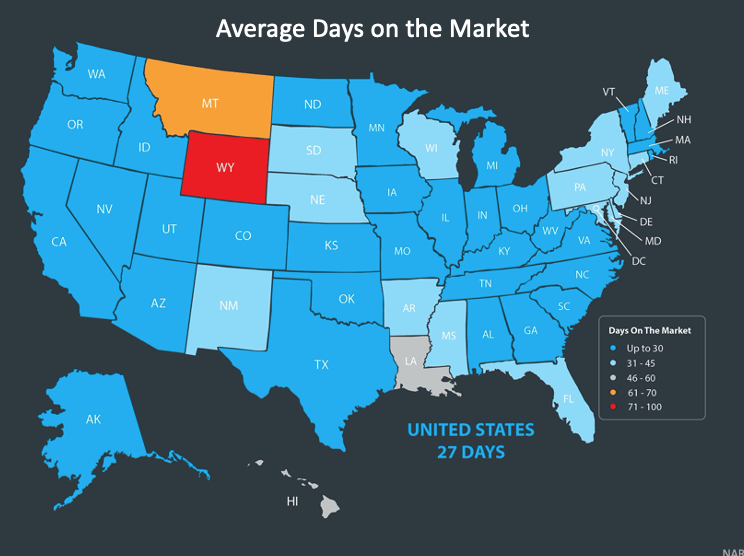
In addition, Days on Market nationally sits at 27. That means, nationally, homes take just 27 days to get a contract. Prices drop will there are TOO MANY homes for sale and homes sit on the market, not when they're being snatched up.
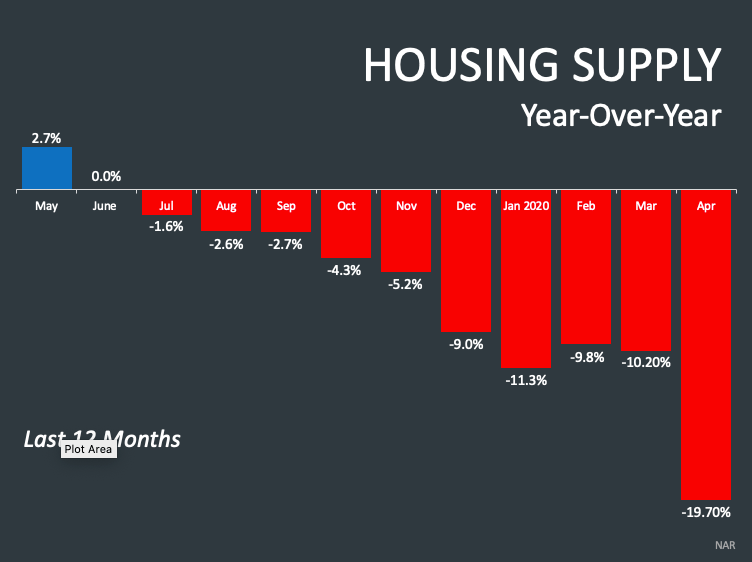
And here's what has happened to housing supply in the last 12 months.
2. Interest Rate Are at All Time Lows.
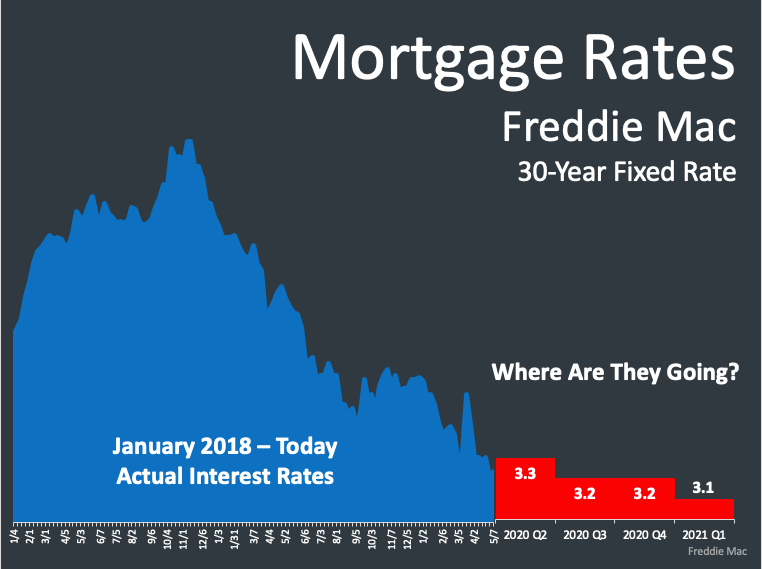
Thanks to the Fed Reserve response to COVID-19 Economic Risks, Mortgage rates are at or near their lowest levels in history. Better yet, rates are predicted to stay low and perhaps go lower. Low rates is a significant stimulus to Real Estate purchase activity, boosting demand and ultimately prices.
3. Home Equity is Increasing.
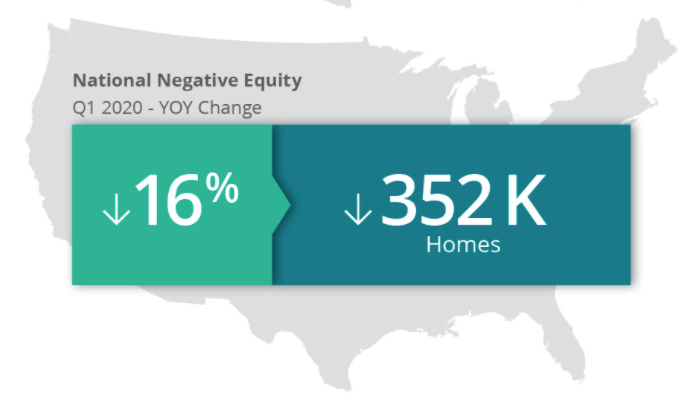
In 2007, homeowners were WAY overleveraged. The primary requirement to get a loan on a home in 2007 was an ability to fog a mirror. Speculation was rampant and people over-bought. According to CoreLogic, US Homeowners gained 6.5% equity in Q1 over Q1 of 2019. In addition, negative equity, meaning the number of people that owed more than the home was worth, decreased by 16%. Some pundits, including Suzi Orman, cite the rash of 2008 short-selling as a predictor of future price crashes. For short-selling to occur, homeowners must lack equity. In an environment like 2020, where homeowners have substantial and growing equity, owners can sell traditionally, without worrying about a short-sale or, worse, foreclosure. As a result, prices will stay relatively constant.
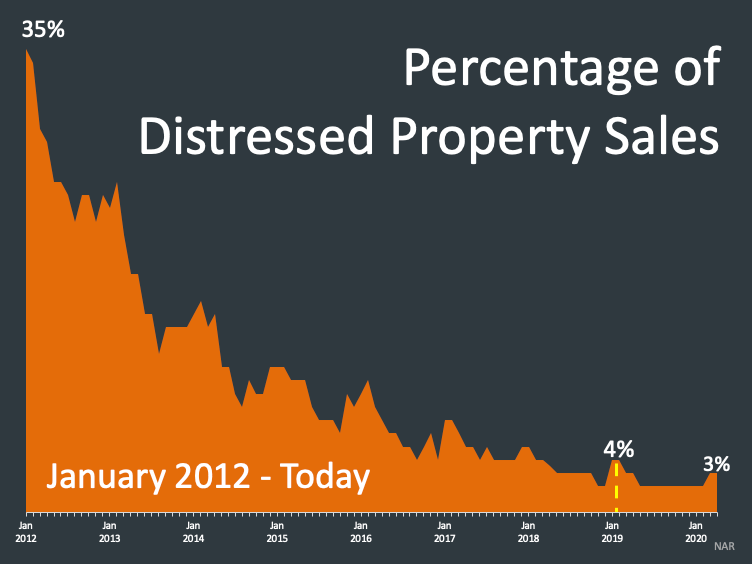
As additional proof, we've seen the % of distressed property sales decrease consistently since 2012, largely due to equity increases.
4. Investors Are Ready to Invest.
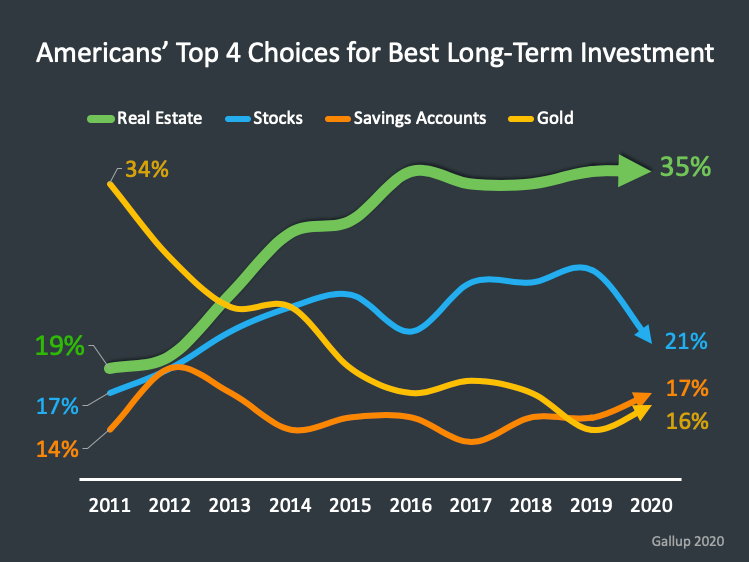
If we were to see significant price declines, so many investors are waiting in the wings to snatch up available properties, declines really aren't an issue. Since 2013, Real Estate had been America's Favorite Investment.
5. Economists Agree It's Not Going to Happen.
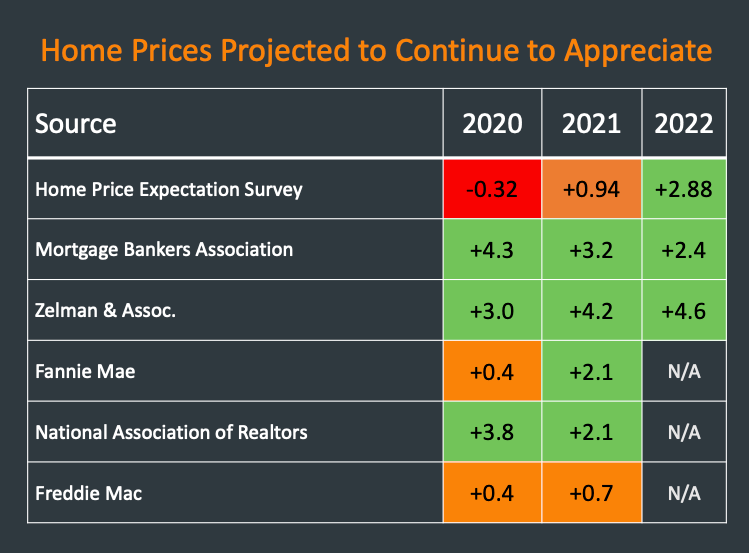
Economists don't all agree on exactly what home prices will do but they're unanimous in believing they're not going to bust. In fact, most of the biggest names in Real Estate projections are still predicting prices to increase in 2020 and beyond. That's a far cry from pundit scare tactic predictions.
In summary, Buyer demand is very high and inventory is very low. Interest rates are near all-time lows, which is incredibly helpful for buyers as it makes homes more affordable. The main thing holding this market back is not enough listing inventory.
If you're thinking about making a move, or you're just trying to weigh your options, give us a call at (817) 403-9275. We'll look at your specific situation and create a plan that's right for you.
Start with our proven BLUEFUSE Buyer Blueprint to navigate the market with clarity, or if you're thinking of selling, our Signature Sales Strategy ensures your home stands out and sells for top dollar.